
The brief
Client
- New World Sales (MerchStores client)
Work & Expertise
- B2B Ecommerce
- Growth & Lifecycle Marketing
- SEO & Discoverability
- Product & App Development
- Catalog & Data
- Operations Workflow
Role & Company
- VP, Ecommerce & Marketing
MerchStores // New York
New World Sales has been a wholesale distributor of licensed merchandise since 1978: music, film, TV, anime, characters, and brands, more than five hundred active licenses, sold to retailers rather than fans. Wholesale is a different kind of ecommerce. The buyer is a retailer, checkout is really a purchase order, and the sale is not done until every supplier has shipped its lines.
When MerchStores took on the account in 2025, the storefront was a splash page with a short blurb and a login wall. Retailers could not see the catalog until they were approved, approval lived in someone’s inbox and took anywhere from a week to a month, and Google and the AI search engines could crawl none of it. Behind the wall the business ran on a patchwork: a third-party wholesale app for pricing and gating, a separate registration form, Mailchimp, and a spreadsheet routine for turning every order into supplier purchase orders. I owned the rebuild: discovery, the buying flow, the audience, and the order path.
Open to search, gated at the price



The work
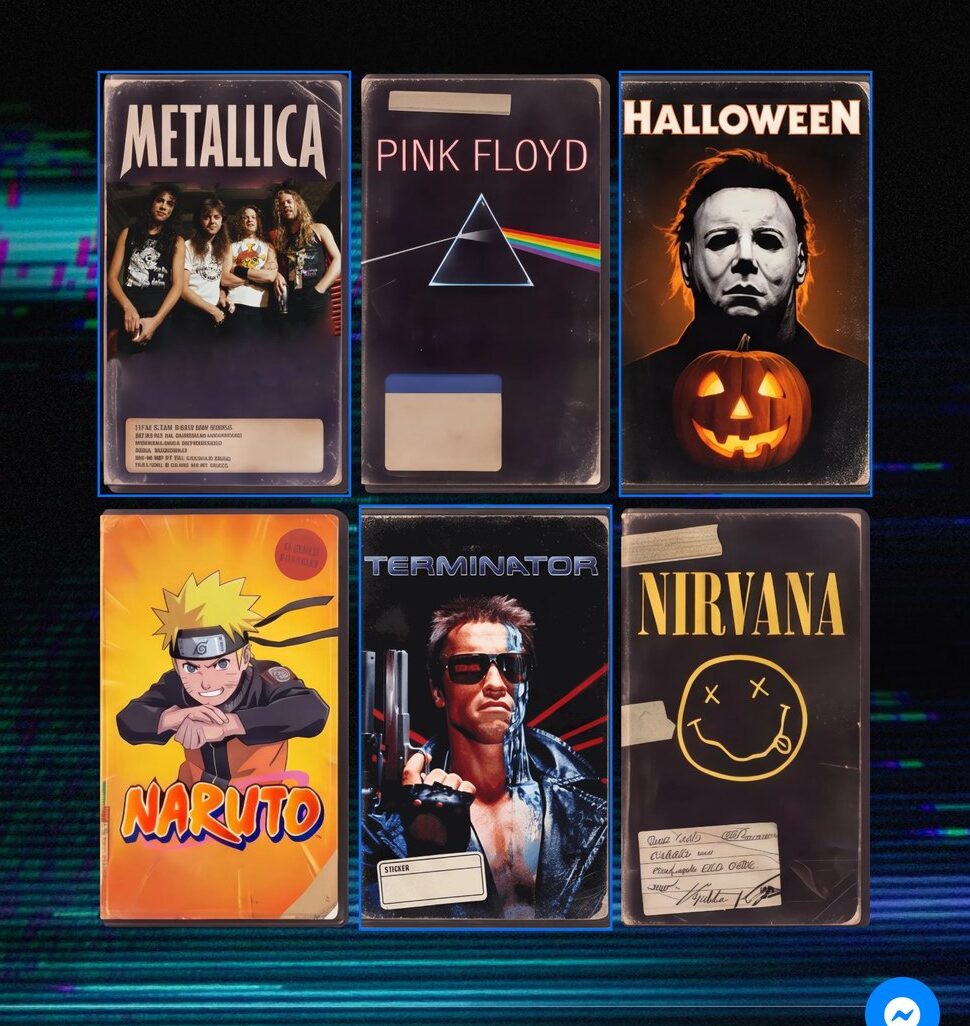
I treated the wholesale operation as one product rather than a collection of tools, and mapped the whole path before writing code: how a retailer finds New World Sales, how they get approved, how they shop, and how an order becomes supplier purchase orders. The first move was to stop hiding the store. I added Shop by Type and Shop by License and Genre navigation, where before the only paths were by manufacturer, new items, and search, then opened the catalog to everyone with wholesale pricing gated behind approval. Every product and license page can now be found by search engines and AI assistants, and a retailer can see which licenses New World Sales carries before asking for an account.
Underneath, I cleaned the entire catalog and standardized the categories, product types, tags, genres, and the variant names and sizes that arrive differently from each of twenty suppliers, and I built the license database that lets a buyer shop by license the way the trade thinks. New products arrive every week, so I built agentic workflows that read a supplier’s file, map it into New World Sales’ own structure, classify every change, and produce a review sheet before anything is imported.
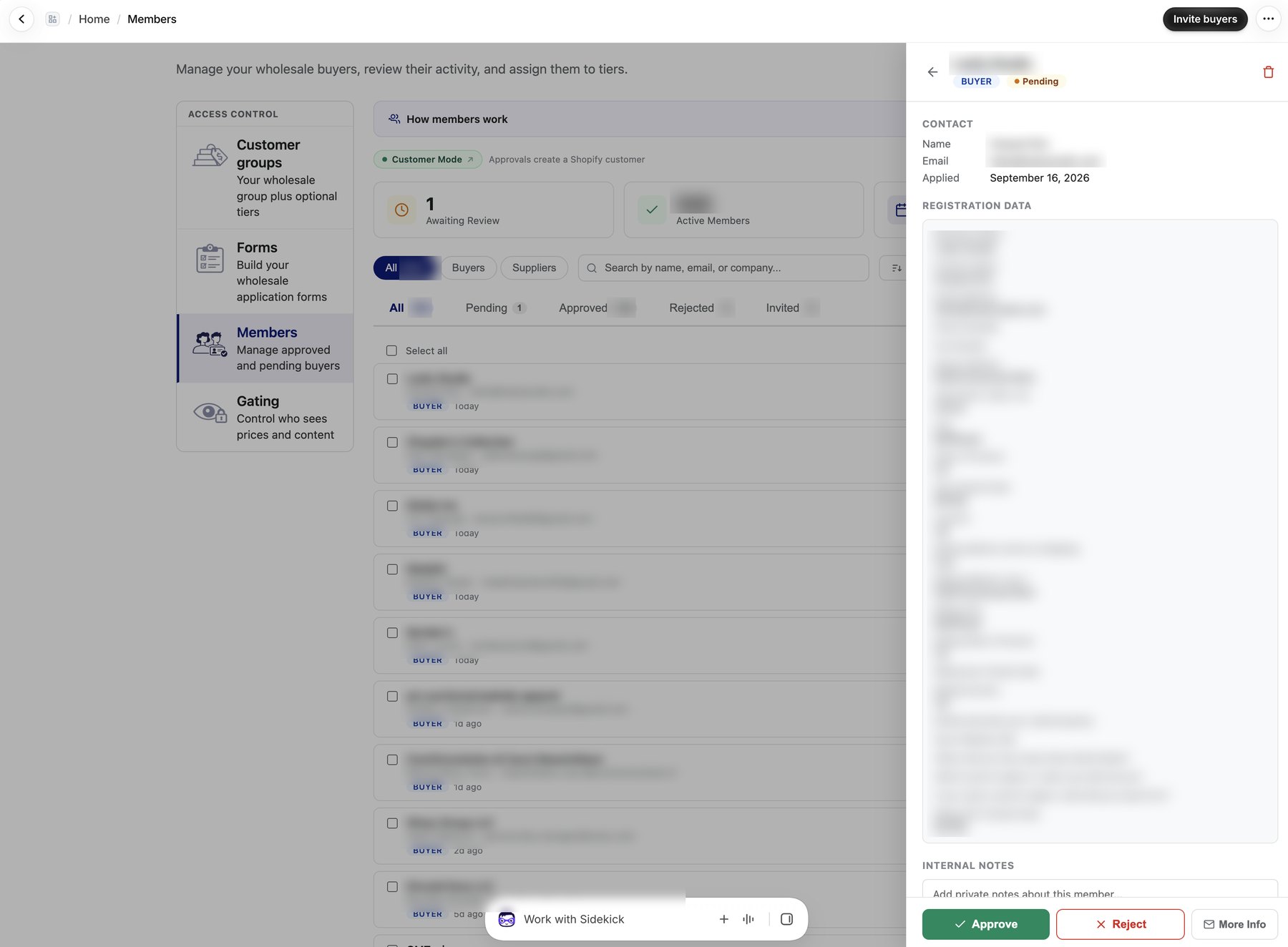
I rebuilt registration inside a private Shopify app I developed for the account, with a review queue and hundreds of historical applications carried over so no applicant was lost. Approval now clears in a day or two instead of weeks, and the moment a buyer is approved they are tagged for wholesale pricing, their company record is created, and they are subscribed to email, a gap the old form had left open for years.
The email program moved from Mailchimp to Klaviyo, and I reconciled an audience the old form had left in a mess: hundreds of paying customers who had never been asked to opt in were subscribed, thousands of verified opt-outs from the retired account were preserved so no one who left is ever emailed again, and a prospect file in the thousands was scrubbed into a clean cold list with a gated warm-up plan. Flows now cover new buyers, approvals, and reorders.
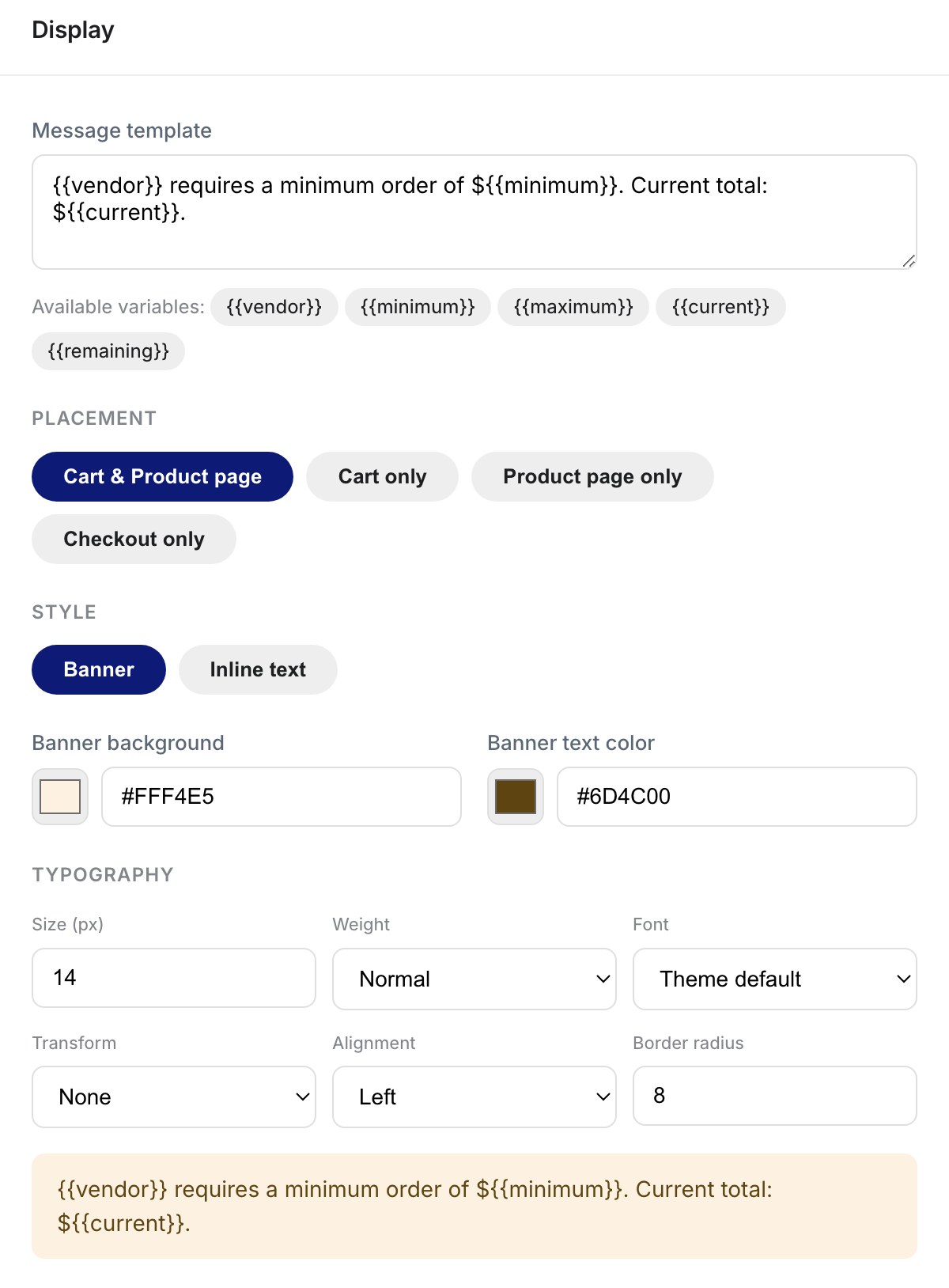
A wholesale order at New World Sales is really several orders. Each supplier ships and bills its own lines, and each sets its own minimum, so one cart total told a buyer nothing about whether an order could actually be placed. I redesigned the cart as one cart per vendor: each brand shows its own subtotal, its own minimum, how far the buyer is from meeting it, and a checkout that only opens when that brand’s minimum is met. Buyers can see at a glance which suppliers are ready and what to add for the rest, and the team stopped fielding orders that could not be fulfilled as placed.
The app also carries the business rules the team used to hold in their heads: per-vendor order minimums, market overrides, and payment terms, all editable without a developer. Every order splits by vendor and produces the supplier documents on its own. When a supplier noticed a purchase order stopping at line 100 of a longer order, I traced it to data fetches that capped silently, replaced every one with pagination to completion, and added a check that refuses to release any document whose lines do not add up to the order total. Every affected order was audited against the suppliers’ own packing lists, and that check became a standing process.
Alongside the build I gave the owners reporting they had never had: new-customer revenue by cohort, wholesale seasonality (the stocking window runs May through October, with the fourth quarter as the trough), catalog discovery, and growth by product type. Those reports now steer which licenses to nurture and which lapsed buyers to win back.
The results
- Buyer approvals cut from weeks to within two days, with email opt-in captured at the moment of approval
- New-customer revenue rose in the first month after the catalog opened, and one new account alone made up more than half of it
- The same order volume now spreads across a broader catalog as buyers discover licenses they could not find before
- Manual purchase-order preparation eliminated, with every export checked against the order total before it leaves the system
- Emailable audience grown into the thousands, with a cleaned prospect list of comparable size staged behind it
- Dozens of fixes and features from this build queued for the public version of the app